6 Minutes Read | Listen to Article
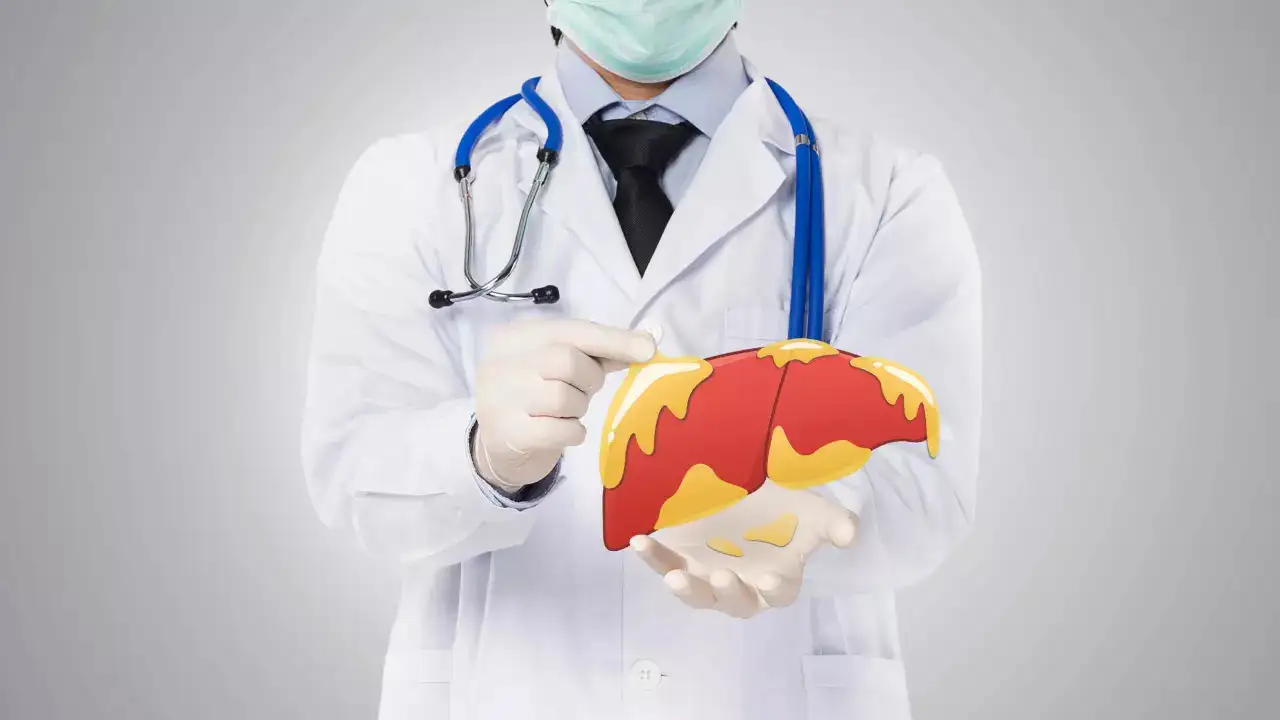
Recent research suggests that the hormone fibroblast growth factor 21 (FGF21) may offer a promising way to reverse fatty liver disease, especially nonalcoholic fatty liver disease (NAFLD). Studies have shown that FGF21 can reduce fat buildup in the liver and help reverse liver fibrosis by signaling the brain to improve liver function. This discovery opens up potential for new treatments targeting FGF21 pathways.
Fatty liver disease occurs when fat accumulates in liver cells and is divided into alcoholic fatty liver disease (AFLD) and nonalcoholic fatty liver disease (NAFLD). NAFLD is commonly linked with obesity, type 2 diabetes, and metabolic syndrome. If not addressed, it can progress to more serious conditions like metabolic dysfunction-associated steatohepatitis (MASH), which can lead to liver fibrosis and cirrhosis.
The hormone FGF21 plays a key role in regulating liver metabolism through brain signals. By enhancing liver function and reducing fat storage, it presents a promising target for therapy. Clinical trials are underway to assess the safety and effectiveness of treatments based on FGF21 for fatty liver disease.
These findings highlight the crucial role of hormonal regulation in liver health and pave the way for innovative approaches to managing and potentially reversing fatty liver disease.
*This news appeared on Times Of India on 15th May 2025
Source Click
 Obsessed with probiotics? You might be missing the whole prebiotic plot